
Studying and working in Poland: what it's all about
For many people study in Poland is not only learning, but also a real chance for first professional experience. Working during your studies helps you stay in a larger city, get to know the Polish market and enter academia faster. In practice, however foreign student must pay attention to the legality of employment, the type of residence permit and how the issue of taxes and insurance.
In this guide, I explain what are the basic rules for foreigner, when it is possible legal work in Poland without a permit, and when additional paperwork is needed. I also suggest how to read the provisions in the contract and what to make sure to do visa vs. work have not become a source of problems when extending residency or applying for a residency card.
Who can work without a permit
Whether foreign student's work requires a permit, depends primarily on citizenship and basis of residence in Poland. Different rules apply to EU/EEA and Swiss citizens, and others to non-EU citizens. Differences may also arise from whether you are studying full-time, part-time, or on an exchange program.
It is worth remembering one principle: the legality of the work must be assessed always on the basis of a specific situation (student status, type of visa/stay card, type of contract). If you are unsure, check this before signing the contract, as liability can apply to both employer and employee.
EU/EEA and Swiss students
If you have citizenship of an EU/EEA country or Switzerland, you can work in Poland on the same basis as Poles. This means no need to obtain a work permit. However, the standard obligations remain: a contract, Social Security notifications (depending on the type of contract), taxes and legal residence if you stay longer.
Practically: you can start working right away, but make sure your employer prepares the correct contract and accounts for contributions, if required. This is also important if you plan to apply for temporary residency in the future.
Non-EU students: when work is easier
For non-EU students, the key is whether they are studying at a university in Poland and whether their stay is consistent with the purpose. You will often encounter information that full-time students can work without a permit. In practice, always check the current requirements and your basis for residency, as the type of university, student status and whether you are actually pursuing a program can all matter.
If you are preparing for a longer stay, also take a look at the guides in the category of residence card and visa, because work and legal residency are strongly linked.
💡 Tip
Before you start work, ask your employer to tell you on what basis your employment will be legal (e.g., permit exemption, affidavit, permit). Keep copies of the documents.
Legal work in Poland: contracts and responsibilities
If you want to make sure that it legal work in Poland, start with a contract. The safest and most predictable is usually an employment contract, because it gives clear rules for working hours, vacations and social security. Civil law contracts (commission, contract for work) are popular, but differ in terms of contributions and employee protection.
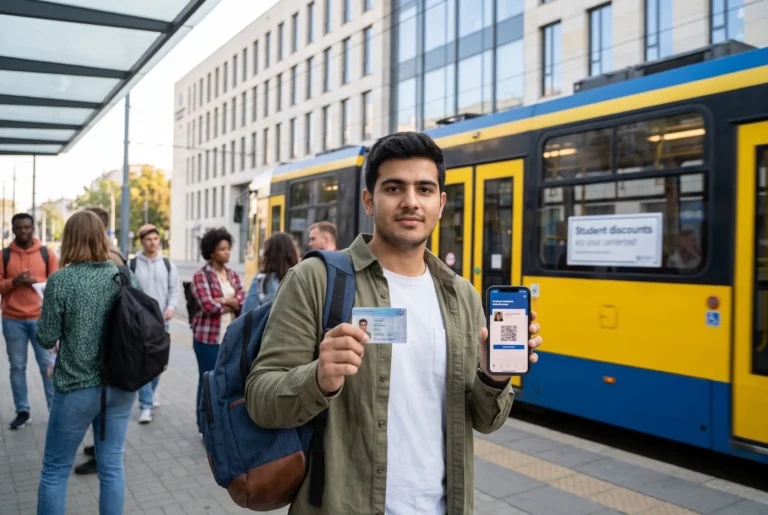
At the recruitment stage, ask about: gross and net rate, type of contract, method of billing, number of hours, and whether the company reports to Social Security. For a student, it is also important whether the employer requires student status in Poland, or whether an ID card is enough. If you don't understand the documents, ask for an English version or a consultation.
If you are working and studying in Poland at the same time, pay attention to the topic of health care. Whether you use the National Health Fund or private insurance depends on your situation.
Visa vs. work: what to check before signing
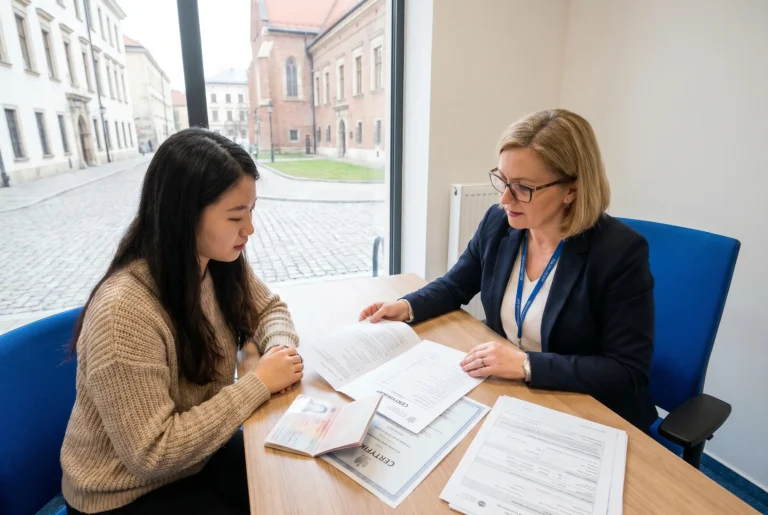
Password visa vs. work Sounds simple, but in practice it requires care. A visa (such as a student visa) legalizes your stay, but it does not always automatically legalize your work. Therefore, always check whether your work is permitted without a permit, whether you need an additional basis (e.g., a work permit), and whether your employer is required to report.
If you are working on a visa, make sure you are consistent with the purpose of your stay. When extending your stay or applying for a residence card, offices may ask about your studies, credits and real livelihood. Excessive hours of work at the expense of study can sometimes be a problem, as it undermines the „purpose of study.”.
Most common mistakes of foreign students
Many problems arise not from ill will, but from ignorance. Common situations include signing a contract without understanding the provisions, working „on a trial basis” without a contract, or working for an employer other than the one declared in the documents. It also happens that the student does not control whether he has continuity of health insurance.
If you are just planning to arrive, you will find it useful to have material on document formalities, such as. invitation to Poland and insurance. It helps to understand how offices look at the purpose of residency and securing medical costs.
💡 Tip
Write down in your phone: the name of the employer, type of contract, start date, rate and Social Security information. These details make it easier to talk to the office and check the paperwork.
Foreign student: rules in practice
In everyday life, simple procedures are the most important: legal residency, a legal contract and continuity of insurance. These are the things that are most often verified when you change jobs, extend your stay or register at a clinic. It's also worth remembering to organize your time: studies take precedence if your basis of residence is a student.
If you are just at the stage of choosing a university, see the recruitment guide: studying in Poland for foreigners. Well-planned studies also make it easier to find a job compatible with your major and language.
Summary: Work legally and without stress
Study in Poland work is a combination that can give you an edge in the market, but only if you operate within the rules. Determine whether you, as a foreigner, can work without a permit, make sure you have a contract, and make sure you have health insurance. Avoid working without a contract, as you risk not only money, but also residency issues.
If you want to better prepare for life in Poland, review the other materials in the Guide. And when in doubt, consult your situation with your university or residency legalization counselor before you take your first job.





 Polish
 English
 Ukrainian
 Turkish
 Russian
 Indonesian
 Vietnamese
 Spanish